
REVIEW · BLED TOURS
Gorgeous Triglav 7 Lakes Hiking Traverse With Triglav Climb
Triglav rewards hikers who keep going. This three-day route through Triglav National Park combines the Seven Lakes Valley, high mountain huts, and a guided climb of Slovenia’s highest peak. I like the small-group limit of 10 people, which should make route-finding and mountain decisions more personal, and I like that round-trip transport is included from the Bled and Kranjska Gora area. The main catch is simple: this is a serious alpine trek, not a scenic walk, and hut nights, meals, and drinks cost extra.
I also like the clear point-to-point rhythm, with the hike beginning and ending at Blato meadow. Guides Grega and Anita have helped make past trips feel organized and companionable, especially when weather or hut plans required changes. You should book only if you can handle six to nine hours of hiking per day, steep ground, and a short via ferrata section near Triglav’s summit.
In This Review
- Key points to know before booking
- Why this Triglav route is worth your time
- Day one: Blato meadow to Dolic hut through the Seven Lakes Valley
- Day two: the summit push and a long descent
- Day three: Velo polje and the return to Blato
- What the small group changes
- Transport and the early start
- The real cost of the $520.57 price
- Fitness, age, and practical preparation
- The best and hardest parts of the experience
- Who should book this Triglav trek?
- Should you book it?
- FAQ
- Where does the hike start and finish?
- How long does the tour last?
- Is the Triglav summit climb included?
- Are hut accommodation, food, and drinks included?
- What is the minimum age and fitness requirement?
- When does the trek operate?
Key points to know before booking
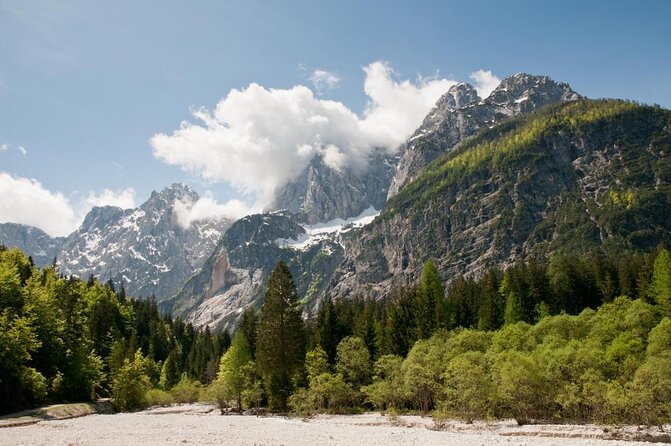
- Three demanding days in the Julian Alps: The route covers the Seven Lakes Valley, Hribarice Pass, Mount Triglav, and several mountain huts.
- Triglav summit included: You climb from 2,150-meter Dolic hut to the 2,864-meter summit, then descend by a via ferrata route.
- Small group, maximum 10 people: A useful size for guide attention and changing mountain conditions.
- Transport takes the stress out of access: Transfers connect your accommodation area with Blato meadow, the trailhead.
- Hut costs are extra: Sleeping arrangements, food, and drinks are not included in the $520.57 tour price.
- Best season is late June through late September: Snow and conditions can affect the route outside this period.
Why this Triglav route is worth your time
Triglav National Park gives you a rare combination of scale and access. You are not simply walking to one viewpoint, taking a photograph, and returning to town. Over three days, the route moves from forest and meadow to a high karst pass, a chain of mountain lakes, and exposed summit terrain.
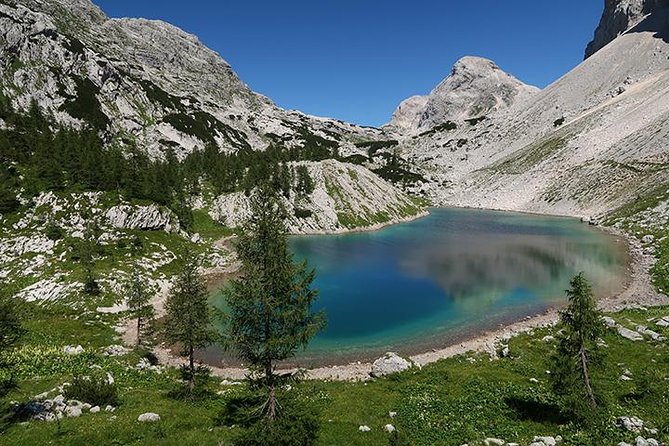
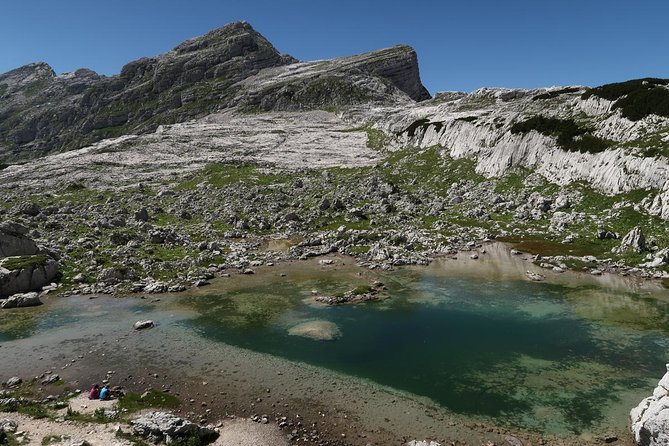
The Seven Lakes Valley is the scenic heart of the first day. The valley gives the trek its name, but the route is not built around easy lakeside strolling. You gain roughly 900 meters from Blato meadow to Dolic hut, reaching elevations where weather can change quickly and every uphill section matters.
The summit adds a clear goal. At 2,864 meters, Mount Triglav is the highest point in Slovenia, and reaching it gives the trip a sense of purpose that a standard national park walk may lack. The final section uses via ferrata equipment, so you get a taste of protected climbing rather than a simple trail ascent.
I see the guided format as especially valuable here. The route is long, the weather can alter plans, and overnight huts affect the schedule. A mountain leader can manage those decisions while you focus on pacing, footing, and the views.
More Hiking in Bled
- Seven Triglav Lakes Hike
★ 5.0 · 8 reviews - Panoramic hike in Julian Alps
★ 5.0 · 6 reviews - From Bled: Half-Day Pokljuka Gorge Trail Hike (Private)
★ 5.0 · 5 reviews
Day one: Blato meadow to Dolic hut through the Seven Lakes Valley
The trek starts at Blato meadow, at about 1,150 meters. Since the hike returns to this same meadow on day three, the route avoids the nuisance of arranging a second vehicle or carrying a plan for a distant finish.
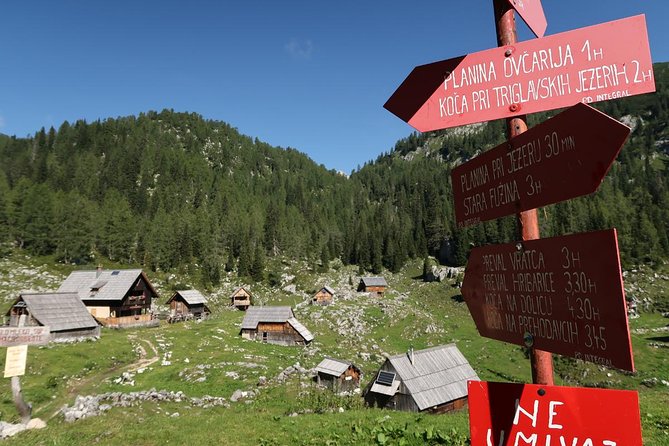
From Blato, you climb toward the Seven Lakes Valley hut at roughly 1,685 meters. This first section introduces the character of the Julian Alps: open meadows, mountain paths, and a gradual shift away from the lower valleys. The word gradual should not fool you. You gain about 900 meters during the day, and the full walking time is estimated at six to eight hours.
The valley is the reward for the effort. You get changing views of the surrounding peaks and the quiet scale of the national park. The experience is more satisfying than a quick viewpoint visit because the scenery unfolds over hours, with each rise revealing another part of the route.
From the valley, the trail climbs over Hribarice Pass at 2,360 meters. This is the high point of day one and a good test of your legs before the overnight stay. From there, you descend to Dolic hut, located at about 2,150 meters.
The night at Dolic is practical rather than luxurious. Hut accommodation is not included, and neither are food or drinks, so you need to plan for those costs separately. The details of sleeping arrangements depend on hut availability, which is one reason the guide’s planning matters.
You should also understand the effect of this first day on the rest of the trek. Arriving tired at Dolic is normal. Arriving without suitable layers, water, or food planning would make the evening much less pleasant.
Day two: the summit push and a long descent
Day two is the hardest and most important day. From Dolic hut, you climb to Mount Triglav’s summit, gaining about 700 meters. The day takes approximately seven to nine hours, though weather, group pace, and time spent on the summit can affect that estimate.
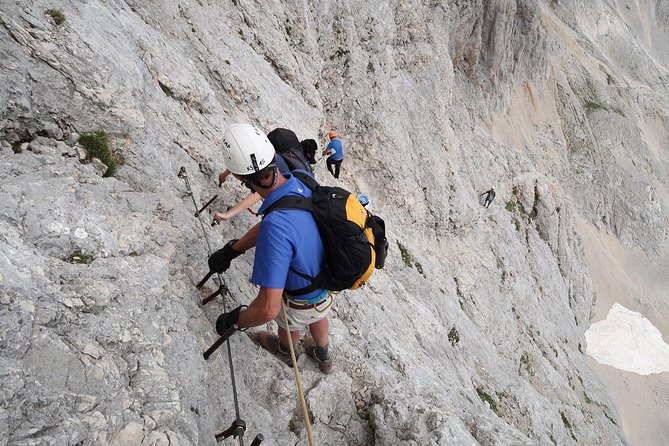
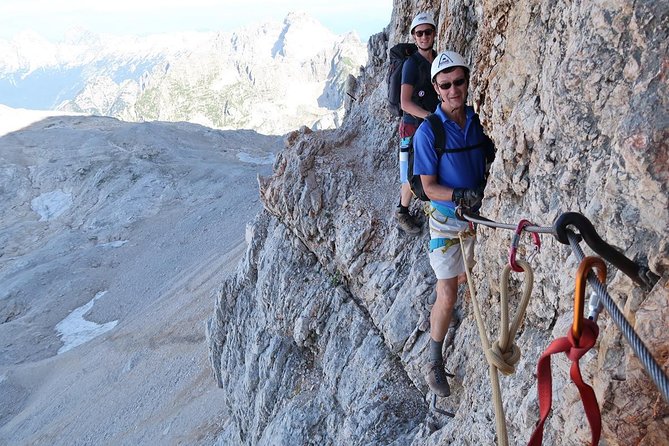
The summit climb is not just a steep hike. A via ferrata section leads toward the top, and another protected section is used on the descent toward Triglavski dom hut. Technical mountain equipment is included, which is a major advantage for anyone who does not want to arrange that gear separately.
The protected route does not turn this into a technical climbing course, but you need to be comfortable with exposed terrain and using equipment under a guide’s direction. The minimum age is 14, yet age alone does not determine readiness. Fitness, confidence, and a sensible attitude toward heights matter more.
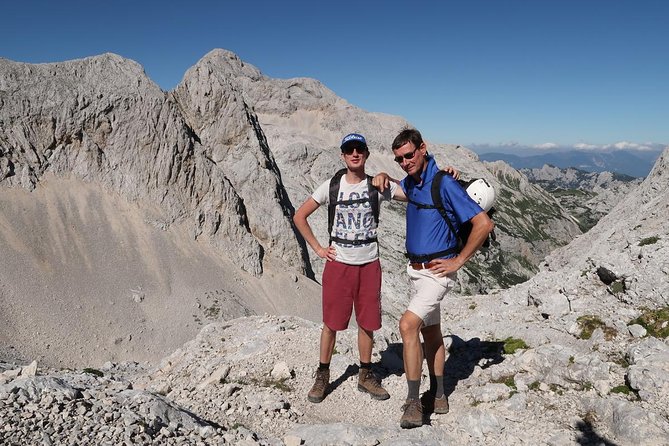
At the summit, you reach 2,864 meters, the highest point in Slovenia. On a clear day, the position gives you broad views across the Julian Alps and beyond. Weather can remove those views, so the summit should be treated as an achievement first and a photo stop second.
After the summit, the route descends to Planika hut at 2,401 meters. You might expect the hardest work to be over at that point, but the day continues. The route passes over Konjsko Sedlo at about 2,020 meters before reaching Vodnikov dom hut at 1,817 meters, where you sleep.
This long descent is worth noting when judging your fitness. Downhill walking can be hard on knees and thighs, especially after a summit climb and protected sections. Trekking poles may be useful, though the supplied information does not confirm that they are provided.
The evening at Vodnikov dom is part of the mountain experience. You trade private-room comfort for a shared hut setting and a simple night close to the route. Food and sleeping costs are extra, so ask the provider about current hut arrangements before departure.
Day three: Velo polje and the return to Blato
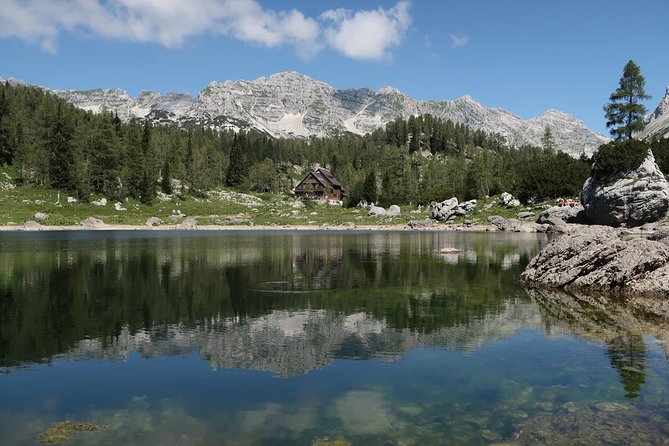
The final day is shorter, at roughly four to five hours, but it is not a flat stroll. You descend from Vodnikov dom at 1,817 meters through Velo polje, which sits around 1,680 meters, then cross Jezerski preval at 1,945 meters.
The route continues to Krstenica meadow at about 1,670 meters before dropping back to Blato meadow at 1,150 meters. You gain around 300 meters on the day, but the main challenge is managing the descent after two demanding days.
I like the circular finish. Ending where you began makes the transport plan clean and gives the trek a satisfying shape. You do not need to worry about meeting a vehicle at a remote point or arranging a separate transfer after the walk.
The final hours also give you a different rhythm from the summit day. Instead of pushing for a high objective, you can look back on the route and let the trip wind down through meadows and mountain paths.
More of Triglav National Park:
- Triglav National Park : The Original Emerald River Adventure
★ 5.0 · 270 reviews - Day Trip in Triglav National Park from Bled
★ 5.0 · 130 reviews - Canyoning Bled Slovenia Triglav National Park Tour with Photos
★ 5.0 · 125 reviews - From Bled: Triglav National Park Tour
★ 5.0 · 110 reviews
What the small group changes
The maximum group size is 10 people, with a minimum of two to three people per booking. That is small enough to avoid the feel of a marching line, while still giving you the social side of a guided mountain trip.
A small group matters most when conditions change. The guide can keep a closer eye on pace, fatigue, and confidence around the via ferrata. It may also make conversations easier during long walking hours and at the huts.
The experience can feel even more personal when the guide takes an active role in the trip. Grega has handled route planning and communication when weather or hut availability required changes. Anita guided a late-season Triglav and Seven Lakes trip that benefited from sunny, quiet September conditions.
Those details suggest a family-run operation with a human touch, but you should not expect every departure to feel identical. Your group, guide, weather, and hut arrangements will shape the experience.
Transport and the early start
The stated start time is 7:00 a.m., and the meeting point is Kofler Sport, Sport Agency, Kurirska pot 20, 4281 Mojstrana. Transfers are offered from accommodation in the Kranjska Gora to Bled region to the trailhead and back.
This is valuable because Blato meadow is not a convenient place to reach as part of a standard sightseeing day. Included transport lets you avoid building your own vehicle plan around a three-day hike.
I would confirm the pickup details after booking, especially if you are staying outside the main service area. The information identifies both a meeting point in Mojstrana and transfers from the wider Kranjska Gora to Bled region, so you should make sure you know where and when your vehicle collects you.
The mobile ticket is convenient for meeting the operator, but mountain preparation matters more than phone access. Keep your booking details available and arrive ready for an early start.
The real cost of the $520.57 price
At $520.57 per person, this is not a bargain day hike. It is also not simply a guiding fee. The price covers a three-day guided route, professional guides from the IMFGA team, mountain technical equipment, and transfers to and from the trailhead.
The value depends on how much planning you would otherwise do yourself. You would need to work out access to Blato meadow, select a route through the park, assess the summit conditions, arrange technical equipment, and coordinate hut nights. The tour puts those moving parts under one provider.
Still, the listed price does not cover sleeping in the huts, hut accommodation, food, or drinks. You should budget for those separately. Ask for the latest hut pricing and availability before you commit, since the route depends on sleeping at Dolic and Vodnikov dom, with Planika also part of the summit-day route.
For a first major alpine trek, I think the guided structure can justify the price. For an experienced hiker who already knows the Julian Alps and has the required equipment, the value may be less obvious. In that case, you are mainly paying for local support, transport, and the convenience of someone else managing the plan.
Fitness, age, and practical preparation
The operator lists moderate physical fitness as the minimum expectation, but I would read that carefully. The three days involve six to nine hours of walking, substantial elevation change, a summit ascent, a long descent, and a via ferrata section.
You do not need to be a competitive athlete, but you should be comfortable with sustained uphill walking and uneven mountain trails. Training with long walks and hills before arrival would make the experience more enjoyable.
The minimum age is 14. Younger participants still need the fitness and confidence required for the route, especially near the summit. If you are booking for teenagers, discuss their mountain experience with the provider in advance.
Pack for changeable mountain conditions. The supplied details do not provide a full packing list, so confirm what clothing, food, water, and personal equipment you must bring. Technical equipment is included, but that does not mean all hiking gear is supplied.
Tell the operator about dietary requirements when booking. Food and drinks are not included, and the huts are part of the overnight plan, so meal arrangements deserve attention before the first morning.
The best and hardest parts of the experience
The strongest feature is the sense of a complete mountain journey. You get the Seven Lakes Valley, a high pass, the Triglav summit, protected climbing, and several huts without having to solve the route alone.
The most praised quality is the human side of the guiding. Grega’s planning and communication helped one group manage changes, while Anita’s late-season trip showed how rewarding the route can be in quiet September conditions. Another private variation replaced the Triglav climb with Kanjavec, showing that the provider can adapt a plan when the agreed route changes.
The hardest part is not one dramatic obstacle. It is the accumulation of effort. Day one is long, day two is longer and includes the summit, and day three asks your tired legs to descend back to the start.
Weather is the great variable. The tour runs from late June to late September, but a summer calendar does not guarantee clear skies or easy conditions. Be prepared for the guide to adjust plans if safety or hut availability requires it.
Who should book this Triglav trek?
I would choose this tour if you want a serious but organized introduction to the Julian Alps. It suits hikers who value local guidance, prefer a small group, and want the Triglav summit without handling every transport and route decision alone.
It is also a good fit if you want more than a single peak. The Seven Lakes Valley and the hut-to-hut route give the trip variety, while the summit provides a strong central goal.
I would hesitate if you dislike shared mountain huts, need private accommodation, or want a relaxed sightseeing schedule. The early start, long walking days, extra hut costs, and via ferrata section are real commitments.
Free cancellation is available if you cancel at least 24 hours before the start time. Changes or cancellations inside that window are not accepted for a refund, so confirm your plans before the cutoff.
Should you book it?
Book this trek if you are ready for three demanding days and want the convenience of a guide, transport, and included technical equipment. The best reasons are the small group, the complete route through the Seven Lakes Valley, and the chance to climb Slovenia’s highest mountain with local support.
Skip it if you are looking for an easy national park outing or if the extra hut expenses would strain your budget. For fit hikers with sensible expectations, this is a strong way to experience Triglav National Park in depth, with enough structure to keep the adventure focused and manageable.
FAQ
Where does the hike start and finish?
The trek starts and finishes at Blato meadow in the Bohinj area. The stated meeting point is Kofler Sport, Sport Agency, Kurirska pot 20, 4281 Mojstrana, Slovenia.
How long does the tour last?
The tour lasts approximately three days. Day one takes six to eight hours, day two takes seven to nine hours, and day three takes four to five hours.
Is the Triglav summit climb included?
Yes. The route climbs Mount Triglav, reaching 2,864 meters. A via ferrata section is used toward the summit and on the descent.
Are hut accommodation, food, and drinks included?
No. Sleeping in the huts, hut accommodation, food, and drinks are not included in the tour price.
What is the minimum age and fitness requirement?
The minimum age is 14, and participants should have a moderate level of physical fitness. The route includes long hiking days, elevation gain, steep mountain terrain, and a via ferrata section.
When does the trek operate?
The trek operates from late June through late September. Confirmation is subject to availability, and a minimum of two to three people per booking is required.
Just added in Bled
- Zagreb to Slovenia: Discover Bled and Ljubljana in a Day★ 4.7 · 2 reviews
- From Zagreb: Private Tour of Ljubljana and Bled Lake★ 5.0 · 6 reviews
- Snowshoeing in Triglav National Park★ 5.0 · 4 reviews
- Ljubljana Airport- Lake Bled or vice versa. Private transfer.★ 5.0 · 2 reviews
- Lake Bled, Lake Bohinj. From Ljubljana/Zagreb/Piran/Postojna.★ 5.0 · 2 reviews
- Family Adventure in Bled – Enchanted Forest theme park★ 5.0 · 6 reviews
- Lake Bled & Ljubljana Tour from Piran★ 5.0 · 4 reviews
- Ljubljana & Postojna Cave from Bled★ 5.0 · 1 review
Bled Tours, compared.
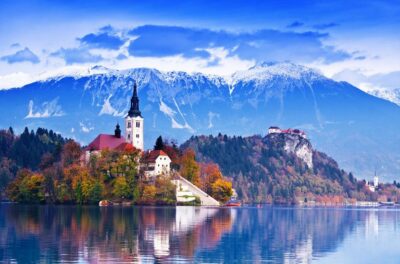
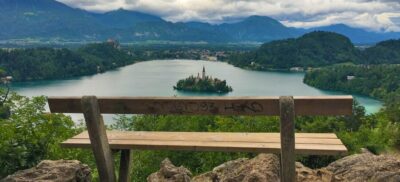
Savica Waterfall, Lake Bohinj, and Lake Bled Tour
Read our review →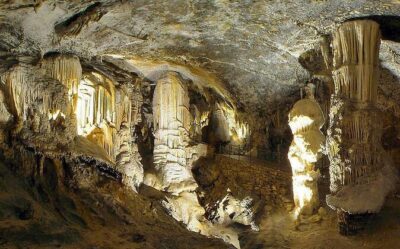
Slovenia in One Day: Lake Bled, Postojna Cave and Predjama Castle
Read our review →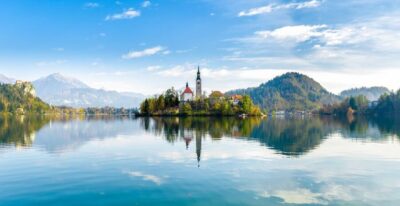
Lake Bled and Bohinj Tour with Savica Waterfall
Read our review →
Browse the lists this tour appears in