
REVIEW · FOOD & DRINK
Private Fresh Fish Tasting Academy in Slovenia
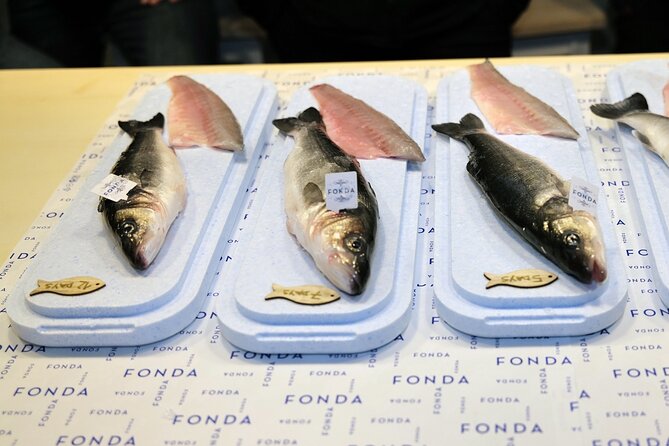
Fresh fish has a surprising secret. At the Fonda Fresh Fish Tasting Academy, you compare raw fillets aged from one day to ten or more days, then test your own ideas about freshness. I like the private format, which keeps the lesson focused on your group, and the chance to learn practical signs of fresh fish rather than simply eating a prepared dish. The main consideration is the price: at $203.74 per person for about two hours, this is a specialized food workshop, not a low-cost tasting.
The session starts at 5:00 pm in Seča, near Portorož, and returns to the same meeting point. I also like the simple, hands-on structure: taste, vote, then see how your opinions compare with the final results. If raw seafood is not your thing, or if you expect a full meal, this may not be the right pick.
In This Review
- Key points to know before booking
- Why this fish workshop is different
- Arriving at Seča 142 at 5:00 pm
- Learning the story of the Fonda Fish Garden
- How the freshness lesson works
- Tasting fish from one day to ten or more days old
- Olive oil, salt flower, and a second look at flavor
- What the wider Fonda experience adds
- Is $203.74 per person a fair price?
- Who will enjoy this most
- Timing, weather, and cancellation points
- Should you book the Fonda Fresh Fish Tasting Academy?
- FAQ
- Where does the experience begin?
- What time does the workshop start?
- How long does the activity last?
- Where does the activity end?
- How much does the experience cost?
- Is this a private activity?
- Is a mobile ticket available?
- Will my booking be confirmed immediately?
- What happens if weather or minimum numbers cause cancellation?
Key points to know before booking
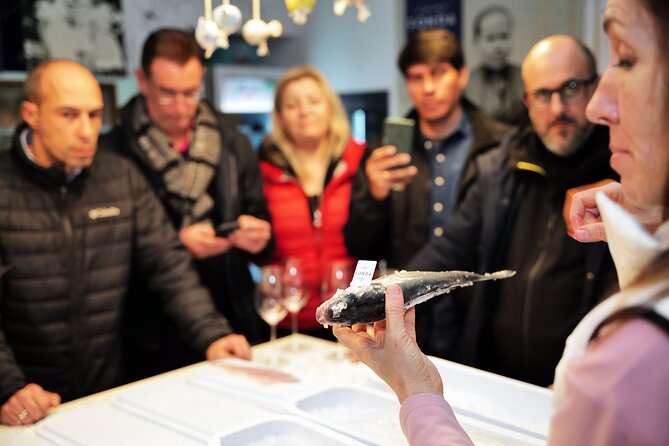
- Fish aged from one day to ten-plus days: The tasting puts common freshness rules to a direct test.
- A private workshop: Only your group takes part, which should make questions and discussion easier.
- Olive oil and salt flower change the tasting: You first assess the fish on its own, then taste it with two simple additions.
- A short evening activity: The experience lasts about two hours and begins at 5:00 pm.
- A lesson at the Fonda Fish Garden: You learn about the farm’s past and its approach to sustainability.
- A costly but unusual food experience: The price makes most sense for seafood lovers, curious cooks, and visitors who value a rare local activity over a standard meal.
Why this fish workshop is different
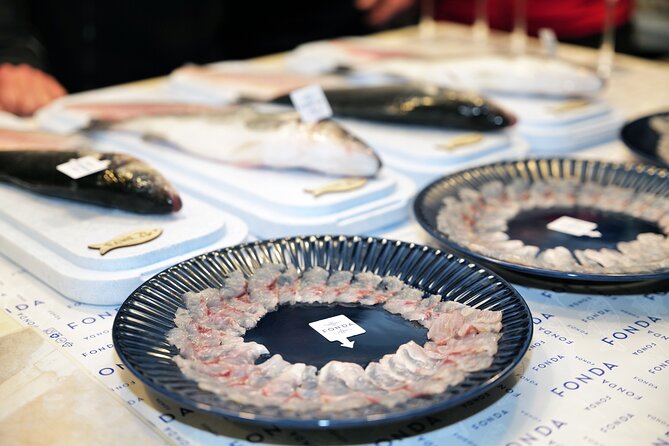
Most seafood tastings ask you to admire a finished plate. This one asks you to pay attention before the cooking begins. The central question is simple: what does fresh fish actually taste and feel like as time passes?
That question gives the academy its appeal. You are not just handed a portion and told it is excellent. You compare fish at several stages, from roughly one day old to ten or more days old. The point is not only to identify a favorite. It is to notice how flavor and texture change, and to examine the assumptions you bring to the table.
I find that approach useful because seafood language can be vague. Words such as fresh, firm, delicate, and clean sound clear until you have several samples in front of you. Here, the tasting gives those words a practical meaning.
The workshop is also described as a myth-buster. That is a fair way to view it, as long as you arrive ready to taste rather than defend a fixed opinion. You may expect the newest fish to win every round. The tasting is designed to make you question that assumption.
More food and drink in Slovenia:
- 2-Hour Interactive Wine Tasting Experience in Ljubljana
★ 5.0 · 382 reviews - Ljubljana Small Group Food Walking Tour
★ 5.0 · 306 reviews - Piran Walking Tour with Local Wine and Food Tasting
★ 5.0 · 297 reviews
Arriving at Seča 142 at 5:00 pm
Your meeting point is Seča 142, 6320 Portorož, Slovenia. The start time is 5:00 pm, and the activity ends back at the same location.
That timing matters. A two-hour session beginning in the early evening can fit neatly after a day around Portorož, but you should plan your route carefully. The supplied details do not promise transportation to Seča, so you need to arrange your own way to the meeting point. A mobile ticket is accepted, which is handy for keeping the booking details on your phone.
This is not presented as a large public class. It is a private activity, so only your own group participates. That should make the atmosphere more relaxed than a crowded tasting counter. You can ask why a certain fish has a particular texture, question the aging process, and discuss your choices without trying to keep up with a large audience.
Confirmation arrives within 48 hours of booking, subject to availability. If your plans are tight, do not treat a pending booking as final until confirmation arrives.
Learning the story of the Fonda Fish Garden
The opening part of the workshop sets the food in place. Your guide introduces the history of the Fonda Fish Garden and explains its approach to sustainability.
The setting matters here. This is not a generic seafood lesson detached from its source. You are tasting fish connected to a particular farm and learning how that operation presents its work. The history portion gives context before the tasting begins, while the sustainability discussion helps connect your plate with the way seafood is raised and managed.
The supplied information does not name the guide, so you should not expect a particular instructor by name. It does promise an expert guide who explains how to identify signs of freshness. That practical focus is more useful than a long speech about fish in general.
Pay attention to this part even if you mainly booked for the tasting. The freshest-looking fillet is not always the most informative one. Learning what to look for gives you a skill you can use later at a market, fish counter, or restaurant.
How the freshness lesson works
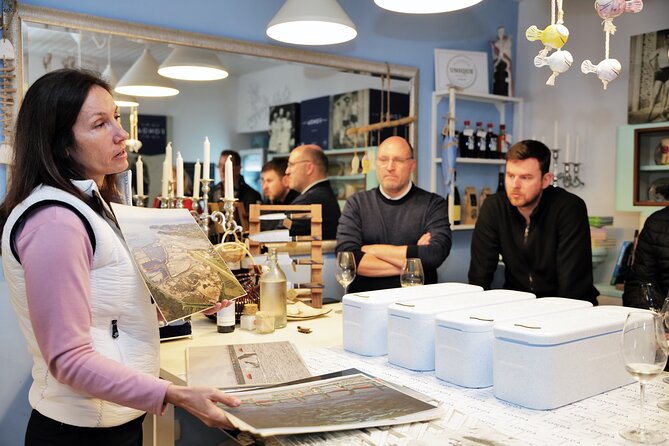
The academy teaches you to examine fish through direct comparison. You will be shown signs that help indicate freshness, then move into the tasting itself.
The exact visual or sensory checklist is not specified, so I would not promise a particular method such as checking eyes, gills, smell, color, or firmness. The confirmed focus is broader: you learn how to identify signs of freshness and gain a better understanding of seafood.
That distinction is useful. You are paying for guided interpretation, not a printed checklist. The value comes from having someone lead you through differences that may be easy to miss when you taste fish one portion at a time.
The workshop is likely to work best if you slow down. Notice the texture before reaching for seasoning. Think about the flavor rather than deciding quickly based on the age of the fillet. Since the format includes voting, your personal reaction is part of the activity.
A completely different kind of day out:
- Ljubljana: Postojna Cave & Predjama Castle Tickets and Tour
★ 4.9 · 2,146 reviews - From Ljubljana: Trip to Lake Bled and Bled Castle
★ 4.7 · 1,426 reviews - Ljubljana: Savica Waterfall, Lake Bohinj, and Lake Bled Tour
★ 4.9 · 1,015 reviews - Whitewater Rafting on Soca River, Slovenia
★ 5.0 · 931 reviews
Tasting fish from one day to ten or more days old
This is the heart of the experience. You try raw fillets at different ages, ranging from one day old to ten or more days old.
That wording may make you pause, and it should. The point is to challenge the idea that the newest fish must always be the best fish. You are given a rare chance to compare samples side by side instead of relying on general rules.
The differences are described as subtle changes in taste and texture. Do not expect every portion to taste dramatically different. The interest lies in small shifts that become clearer when you compare them directly. One sample may seem firmer, another more rounded in flavor, and another may appeal to you for reasons you cannot immediately explain.
You then vote for your favorite. This gives the workshop a light, game-like quality, but the vote also has a serious purpose. It records your instinct before the final explanation. You are not simply being told what to like.
For food lovers, this is the part that justifies the unusual format. For people who prefer cooked seafood, it is also the main point of caution. The fish tasting is raw, and the details do not indicate that a cooked alternative is available. If that would make you uncomfortable, ask before booking.
Olive oil, salt flower, and a second look at flavor
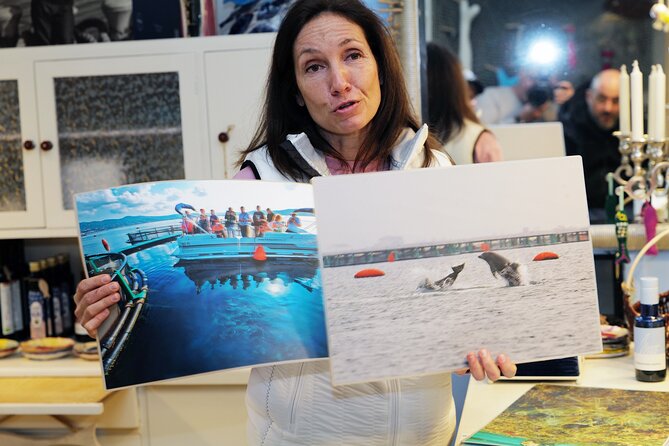
After your first tasting and vote, olive oil and salt flower enter the picture. These two simple ingredients alter the flavor of the fish and give you a second way to judge each sample.
This is a smart teaching step. It shows how seasoning can change your response without hiding the character of the food entirely. You may find that a fish you disliked on its own becomes more appealing with a little oil and salt flower. You may also prefer the plain version because it gives you a clearer sense of texture.
The sequence matters. Tasting the fish first lets you form an opinion before seasoning affects your palate. Then the additions show how a small adjustment can shift the experience. I like this because it turns the workshop into a lesson in tasting, not just a succession of bites.
The final results reveal how the group’s preferences compare with the vote. That comparison gives the session its payoff. You find out if your first choice held up, and you see how the group responded to the same differences.
What the wider Fonda experience adds
The Fonda Fish Garden is connected with other activities, but you should keep them separate from this two-hour academy unless they are specifically included in your booking.
The same operation has offered fish picnics, kayaking trips to the fish farm, fish preparation lessons, and boat rides to see the fish. Those activities suggest that the setting can support more than a sit-down tasting. They also give you ideas for building a broader day around the area, but the academy details do not promise kayaking or a boat trip.
Food and drink may also vary by activity. A related visit has included wine and fresh fish, while another included a fish picnic beneath the shade of a pine tree. That sounds appealing, especially in warm weather, but do not assume wine, picnic food, or tree shade is part of this specific workshop.
The practical lesson is simple: book this academy for the freshness lesson and comparative tasting. Add another Fonda activity only if it is clearly listed and confirmed as part of your plan.
Is $203.74 per person a fair price?
At $203.74 per person, this is an expensive two-hour activity. It is not priced like a casual fish lunch or a standard farm visit.
The value depends on what you want from your time in Slovenia. If you want a filling meal, the price may feel hard to defend. The workshop is built around guided tasting, explanation, and comparison rather than quantity. You are paying for a rare subject, a private group setting, and access to a structured lesson about fish aging and freshness.
For a seafood enthusiast, chef, food professional, or curious home cook, the price may be reasonable because the experience offers something difficult to reproduce on your own. You would need several fish samples at different ages, a suitable setting, and someone able to explain the differences. The private format adds value if you enjoy asking questions or want the session shaped around your group.
For a family watching its budget, the cost is more difficult. The activity lasts about two hours, and the supplied details do not promise a substantial meal. I would choose it only if the tasting itself is the main reason you want to go.
Who will enjoy this most
I would recommend the academy to:
- Seafood fans who want to understand freshness beyond simple rules
- Food-focused visitors looking for a local activity rather than another restaurant meal
- Curious cooks who want to improve their tasting skills
- Couples or small private groups who enjoy unusual experiments
- People interested in farm production and sustainability
I would hesitate to recommend it to anyone who dislikes raw fish. I would also think twice if you want a broad sightseeing program, since the activity stays focused on fish, tasting, and the Fonda Fish Garden.
The private setup is a good fit for a group with a shared interest. If one person is enthusiastic about seafood and everyone else is only mildly curious, the price may not feel balanced.
Timing, weather, and cancellation points
The experience requires good weather. If poor weather causes cancellation, you are offered another date or a full refund. It also requires a minimum number of participants, and if that minimum is not reached, you are offered another date or experience, or a full refund.
Your own cancellation terms are strict. The experience is non-refundable and cannot be changed for any reason. If you cancel or request an amendment, the amount paid is not returned.
That makes planning important. Check your schedule before paying, allow enough time to reach Seča, and keep the weather requirement in mind. The provider confirms bookings within 48 hours, subject to availability, so do not leave this until the last minute if your evening plans depend on it.
Should you book the Fonda Fresh Fish Tasting Academy?
Book it if you want a focused, private food lesson that challenges familiar ideas about fresh fish. The comparison of one-day-old fillets with fish aged ten or more days is the real draw, and the olive oil, salt flower, and voting stages give the workshop a clear structure.
Skip it if you want a full dinner, a low-cost activity, or a cooked seafood option. At $203.74 per person, you need to value the experiment itself.
For the right person, this is a memorable way to spend two hours near Portorož. You leave with more than a favorite sample. You leave with a sharper sense of how fish changes over time, and a better question to ask the next time someone simply says fresh.
FAQ
Where does the experience begin?
It begins at Seča 142, 6320 Portorož, Slovenia.
What time does the workshop start?
The start time is 5:00 pm.
How long does the activity last?
The experience lasts approximately two hours.
Where does the activity end?
It ends back at the meeting point in Seča.
How much does the experience cost?
The listed price is $203.74 per person.
Is this a private activity?
Yes. Only your group participates.
Is a mobile ticket available?
Yes. The experience includes a mobile ticket.
Will my booking be confirmed immediately?
Confirmation is received within 48 hours of booking, subject to availability.
What happens if weather or minimum numbers cause cancellation?
If poor weather causes cancellation, you are offered a different date or a full refund. If the minimum number of participants is not met, you are offered a different date or experience, or a full refund. Your own cancellation is non-refundable and cannot be changed.
Just added in Slovenia
- Zagreb to Slovenia: Discover Bled and Ljubljana in a Day★ 4.7 · 2 reviews
- From Zagreb: Private Tour of Ljubljana and Bled Lake★ 5.0 · 6 reviews
- Gokart experience at Woop! karting – the fastest attraction★ 4.0 · 5 reviews
- Woop! Fun park with 21 attractions★ 4.6 · 3 reviews
- Wine Tasting in the Underground Fortress, Idrija hills★ 5.0 · 2 reviews
- TOP TRUFFLES & WINE – Hunting & Tasting in Istria, Slovenia★ 5.0 · 1 review
- Snowshoeing in Triglav National Park★ 5.0 · 4 reviews
- Ljubljana Airport- Lake Bled or vice versa. Private transfer.★ 5.0 · 2 reviews
Food & Drink, compared.
2-Hour Interactive Wine Tasting Experience in Ljubljana
Read our review →
Piran Walking Tour with Local Wine and Food Tasting
Read our review →
Food & Wine Tour Ljubljana – Local Foodie Adventure in Slovenia
Read our review →
2-Hour Interactive Wine Tasting Experience in Bled
Read our review →
Wine Tasting with Pairing Snacks in Vipava Valley
Read our review →

Browse the lists this tour appears in