
REVIEW · COOKING CLASSES
Slovenia: Belokranjska Pogača Cooking Class
Bread can tell a country’s story. This two-hour Belokranjska Pogača cooking class gives you a hands-on way to meet Slovenian food culture, not through a museum display but through flour, yeast, herbs, and a warm oven. I like that you make the bread yourself from start to finish, and I like the small-group format, limited to 10 people.
The main consideration is location. The meeting point can be tricky to spot, with a broken concrete fountain, a narrow passage, and a large clear shop window serving as landmarks. Still, the class offers strong value at $53 per person, especially since ingredients, equipment, instruction, baking, tasting, and drinks are included.
In This Review
- Key things to know before booking
- Why Belokranjska Pogača matters in Slovenia
- Arriving at the small square in Central Slovenia
- A friendly kitchen, not a formal demonstration
- Kneading, rolling, and shaping the dough
- Waiting for the oven gives you time with Luka
- Tasting the finished Belokranjska Pogača
- What the $53 price includes
- Who will enjoy this class most
- Practical tips for a smooth visit
- Should you book the Belokranjska Pogača class?
- FAQ
- How long does the Belokranjska Pogača cooking class last?
- How much does the class cost?
- What languages are available?
- Is the cooking class wheelchair accessible?
- How many people can join the class?
- What is included in the price?
- Can I cancel for a full refund?
- Can I reserve now and pay later?
- How do I find the meeting point?
Key things to know before booking
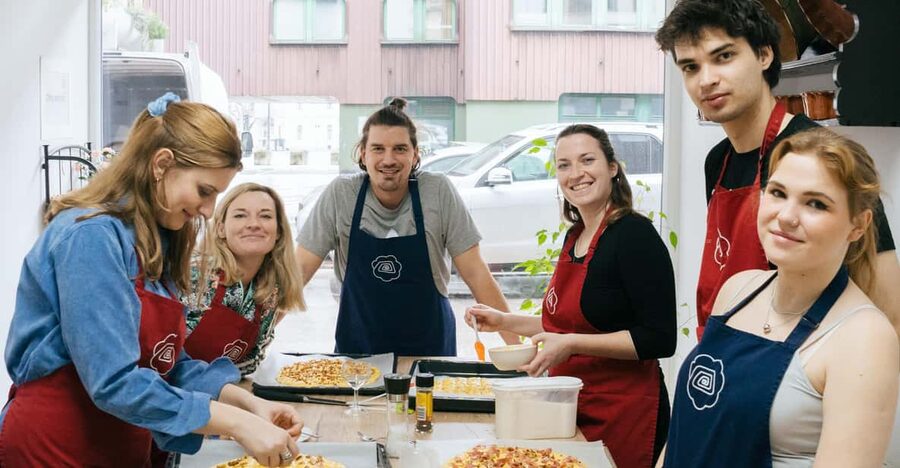
- You make the bread yourself: Knead, roll, shape, bake, and taste your own Belokranjska Pogača.
- Luka adds cultural context: He explains Slovenian food, history, people, and the Bela Krajina region in clear English.
- The small group keeps it personal: With no more than 10 participants, you should get direct help at the worktable.
- It works well for families: Luka has a gentle way with children and teenagers, making this more than an adult-only food lesson.
- The meeting point needs attention: Look for the small square, broken concrete fountain, and big clear window.
- The timing includes waiting: The class lasts two hours, with time for dough to rise and bread to bake.
Why Belokranjska Pogača matters in Slovenia
Belokranjska Pogača is a traditional savory bread from Bela Krajina, a region in southeastern Slovenia. It is simple food, but not plain food. The bread carries the character of home cooking, shared meals, celebrations, and everyday Slovenian hospitality.
You will learn that this is not simply a recipe to copy and forget. It is a food tied to place and family tradition. That makes the class more worthwhile than a standard baking lesson, because the finished bread gives you a small, edible link to Slovenian culture.
The bread has a soft interior and a golden, crusty outside. Herbs add flavor, and the result is made for tearing and sharing rather than slicing into neat sandwich portions. You get to handle every stage, so you leave with both a meal and a recipe you can try again.
I especially like this kind of activity after several days of sightseeing. Churches, castles, and old towns tell you about Slovenia from the outside. Making a local dish lets you take part in a living tradition.
Other trips worth a look in Ljubljana:
- Ljubljana: Postojna Cave & Predjama Castle Tickets and Tour
★ 4.9 · 2,146 reviews - From Ljubljana: Trip to Lake Bled and Bled Castle
★ 4.7 · 1,426 reviews - Slovenia in One Day: Lake Bled, Postojna Cave and Predjama Castle
★ 5.0 · 879 reviews
Arriving at the small square in Central Slovenia
The meeting point is practical once you know what to look for, but it is not the sort of address you should approach casually. Find a small square surrounded by buildings. In the center is a broken concrete fountain, an unusually useful landmark.
You may reach the shop by passing a Chinese restaurant near the old church, or by using a small passageway in the building close to the bus stop. The shop is identified by a large clear window. That detail matters, since the entrance may not be obvious from the main street.
If you are coming from the city center, bus access is described as easy. Parking requires a little more planning. In the morning, free spaces can be found on the platform behind the building. In the afternoon, call Luka, who can help with parking and uses WhatsApp.
I would allow a few extra minutes for finding the door. The directions are memorable, but the broken fountain and passageway may not be immediately visible if you are rushing. Save the phone number before setting out, especially if you plan to drive later in the day.
A friendly kitchen, not a formal demonstration
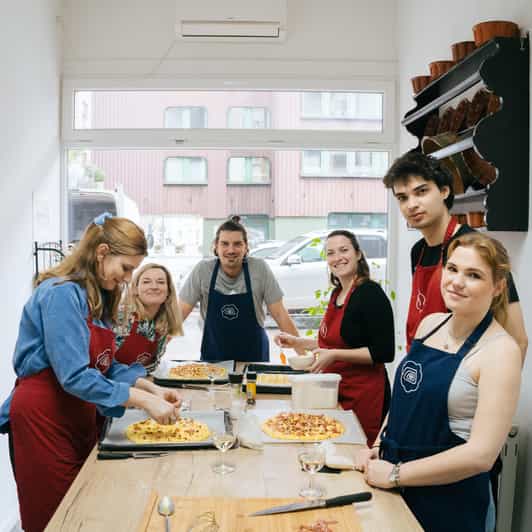
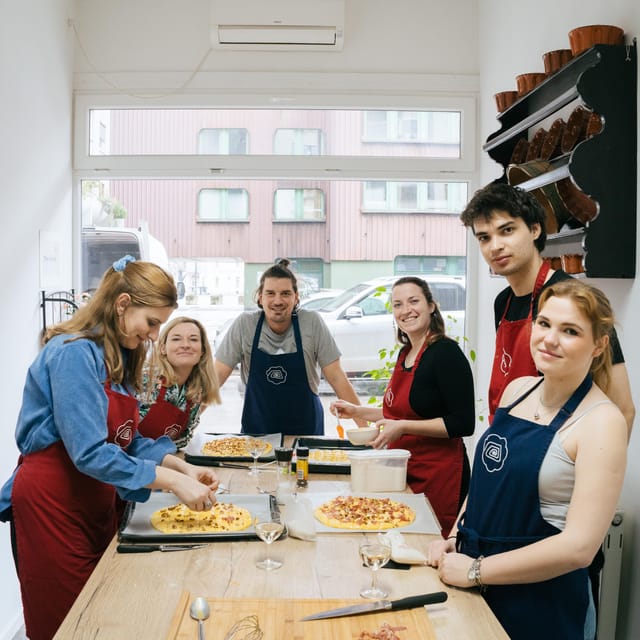
The class takes place in a light, pleasant shop and kitchen area. You gather around a large kitchen table, where the instructor introduces the bread and explains its place in Slovenian life.
This setup should feel social rather than stiff. You are not sitting in a lecture while someone else does all the work. The point is to get your hands into the dough, ask questions, and follow the process as it unfolds.
The group limit of 10 participants is a useful balance. A larger class could turn the activity into a crowded demonstration, while a private class can cost more or feel less social. Here, you may work with other food lovers, but the instructor can still guide individual steps.
The language options are English and Slovenian. English is particularly important for an activity built around technique. You need to understand when to knead, how to shape the dough, and what to watch for before baking. The class has also worked well as a private experience, including one session attended by a single participant.
Kneading, rolling, and shaping the dough
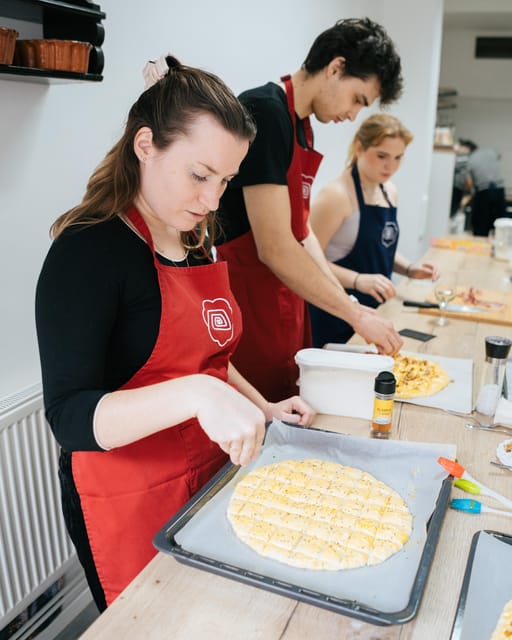
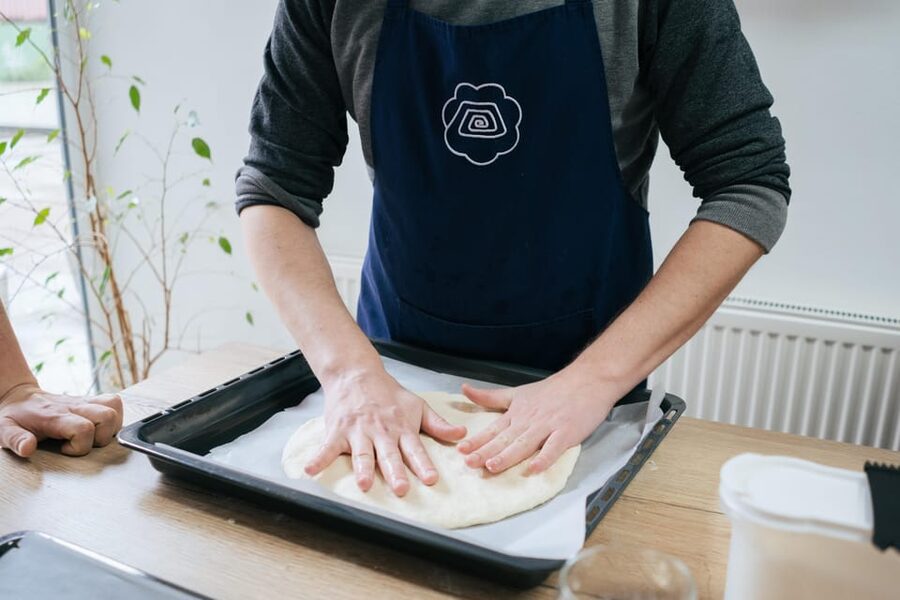
The practical heart of the class is the bread-making itself. You work through the dough with guidance, rather than simply watching a professional produce a perfect loaf.
Kneading gives you a feel for the texture. Rolling and shaping require a little care, but the step-by-step teaching makes the process approachable. The value here is not just that you get a tasty result. You learn the order of tasks and gain enough confidence to repeat them at home.
The instructor explains each stage clearly. That matters for beginners, since bread-making can seem mysterious when recipes use vague terms such as knead until ready or bake until done. Direct help at the table turns those instructions into something you can see and feel.
Children and teenagers should also find the work manageable with adult supervision. Luka has been praised for his way with younger participants, which makes this a good choice for families looking for an activity that is both educational and hands-on.
You should not expect a quick grab-and-go cooking demonstration. The dough needs time to prove and rise, so the process moves at a relaxed pace. That is a benefit if you want conversation and local stories. It may feel slow if you want constant action for the full two hours.
A completely different kind of day out:
- Ljubljana: Castle Entry Ticket with Optional Funicular Ride
★ 4.3 · 718 reviews - From Ljubljana: Lake Bled & Postojna Cave with Entry Tickets
★ 4.8 · 694 reviews - Ljubljana: Lake Bled and Bohinj Tour with Savica Waterfall
★ 4.8 · 650 reviews - From Ljubljana: Guided Day Tour to Soča and Kranjska Gora
★ 4.9 · 584 reviews
Waiting for the oven gives you time with Luka
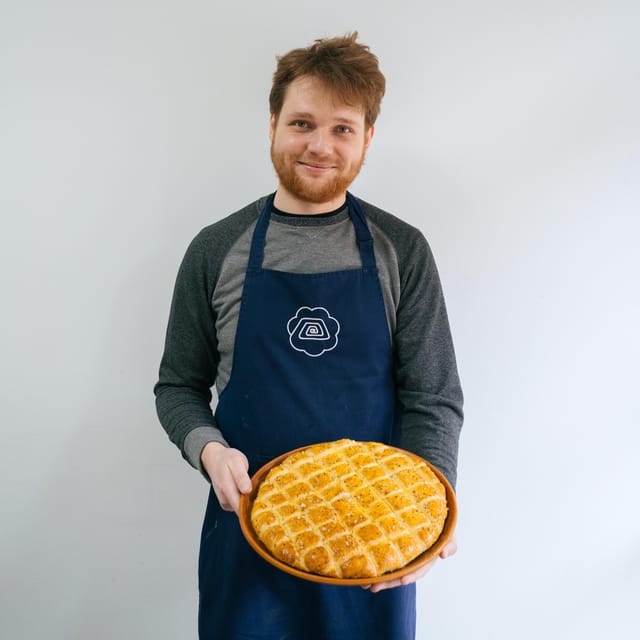
While the yeast proves, the dough rises, and the Pogača bakes, Luka fills the quiet periods with conversation. He shares information about Slovenia, its people, history, and physical setting.
This part gives the class an extra layer. You are not only learning how to bake one regional bread. You are also getting a personal introduction to the country from someone who can answer questions in excellent English.
One particularly appealing detail is the chance to taste Slovenian wine while you wait. Drinks are offered, adding to the relaxed feel of the class. This is not described as a formal wine tasting, so you should think of the wine as part of the hospitality rather than the central subject.
The conversation can range beyond food. If you enjoy asking about daily life, regional customs, and Slovenia’s past, the baking pauses become useful time rather than dead time. For a birthday activity or surprise outing, this personal contact can make the class feel more special than a standard cooking lesson.
The trade-off is that the quality of this part depends on how much conversation you want. People who enjoy talking with a host will appreciate it. If you prefer a tightly timed lesson with no pauses, the rising and baking stages may seem less exciting.
Tasting the finished Belokranjska Pogača
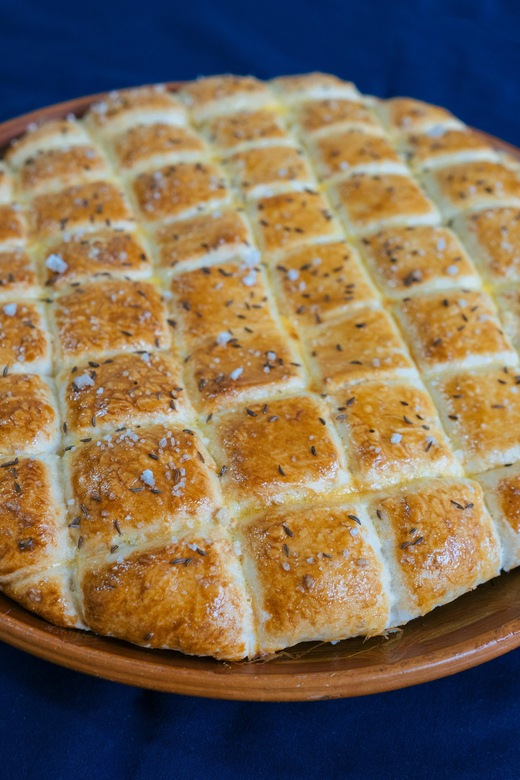
At the end, you taste the bread while it is still warm. The finished Pogača should have a crisp, golden outside and a soft middle, with herbs adding earthy flavor.
Because you have made it yourself, the tasting feels like the payoff for the whole process. You can judge the texture, see how the shaping affected the bread, and connect the final flavor with the work you did earlier.
The bread has earned strong praise for its taste. One participant described it as especially good, while another said the finished result looked good as well as tasting delicious. That is encouraging for beginners who worry that their first loaf may come out uneven or underbaked.
You also leave with practical skills rather than just a photograph. The class includes all ingredients and equipment, so you do not need to bring baking supplies. You gain a better sense of how Slovenian cooks use simple ingredients to make food meant for sharing.
What the $53 price includes
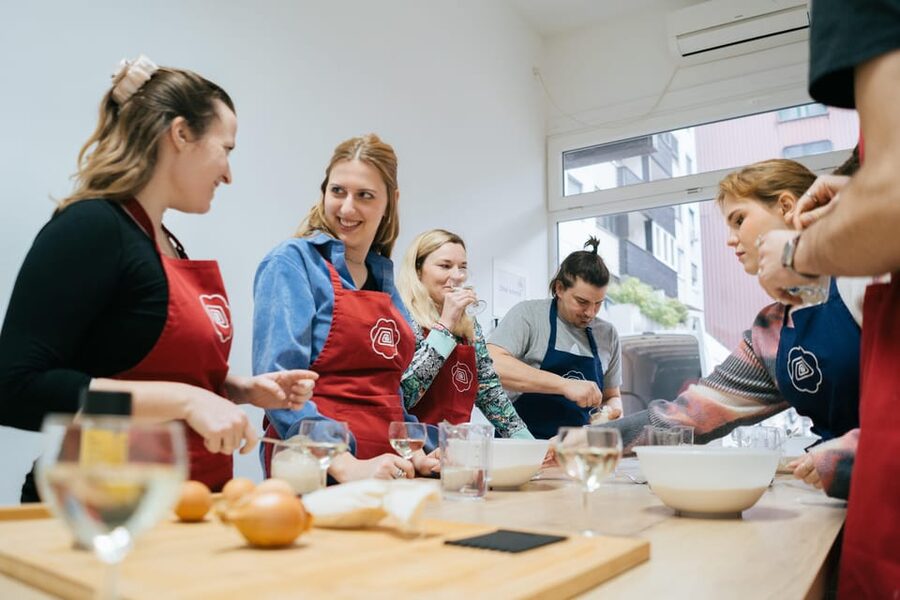
At $53 per person, this is priced above a casual bakery purchase but below many longer food tours or private culinary activities. The value comes from the combination of instruction, food, cultural explanation, and time with the host.
You receive:
- A two-hour hands-on cooking class
- All necessary ingredients
- Cooking equipment
- Instruction in English or Slovenian
- A history and culture introduction
- The chance to bake and taste your own bread
- Drinks, including Slovenian wine during the waiting periods
- Skills and a recipe experience you can take home
A private class may sometimes result from being the only person booked, as happened for one participant. That can offer more direct attention, though you should not assume every booking will be private. The normal group limit is 10 people.
The cost makes the most sense for people who value participation. If you only want to taste Slovenian bread, a bakery or restaurant will be cheaper. If you want to learn the process, meet a local host, and spend two hours in a social setting, the price is fair.
Free cancellation up to 24 hours before the start gives you useful flexibility. You can also reserve now and pay later, which helps if your schedule in Slovenia is still changing.
Who will enjoy this class most
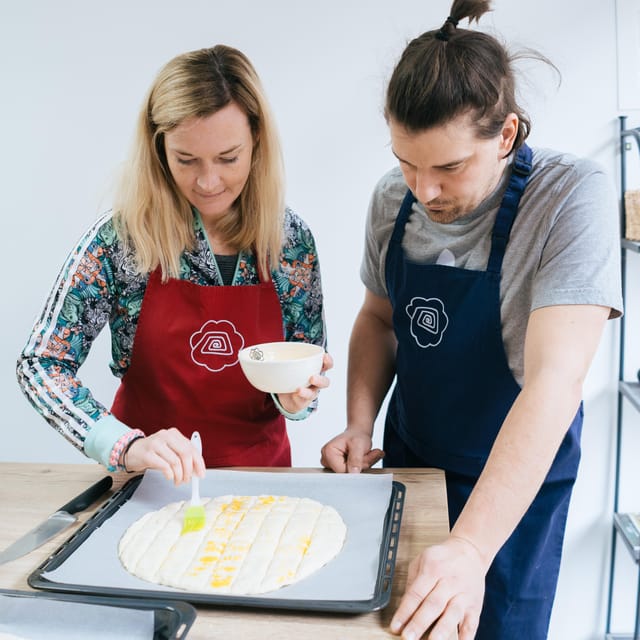
I would recommend this activity to several types of visitors:
Food-focused visitors will appreciate the chance to learn a specific regional recipe rather than a generic European dish.
Families should find the hands-on format appealing. The instructor’s good rapport with children and teenagers is a real advantage, especially for parents who want an activity that does not depend on long explanations or quiet museum behavior.
Couples and birthday groups can use the class as a relaxed shared activity. One birthday trip included the class as a surprise, and the experience worked well because it combined baking, conversation, wine, and a meal.
Solo visitors should not dismiss it. A private session may be possible if no one else books the same time, and the kitchen setting gives you direct contact with the instructor.
It may be less suitable if you want a major sightseeing program packed into two hours. This is a focused food experience. You will spend your time in the kitchen, not touring several attractions.
Practical tips for a smooth visit
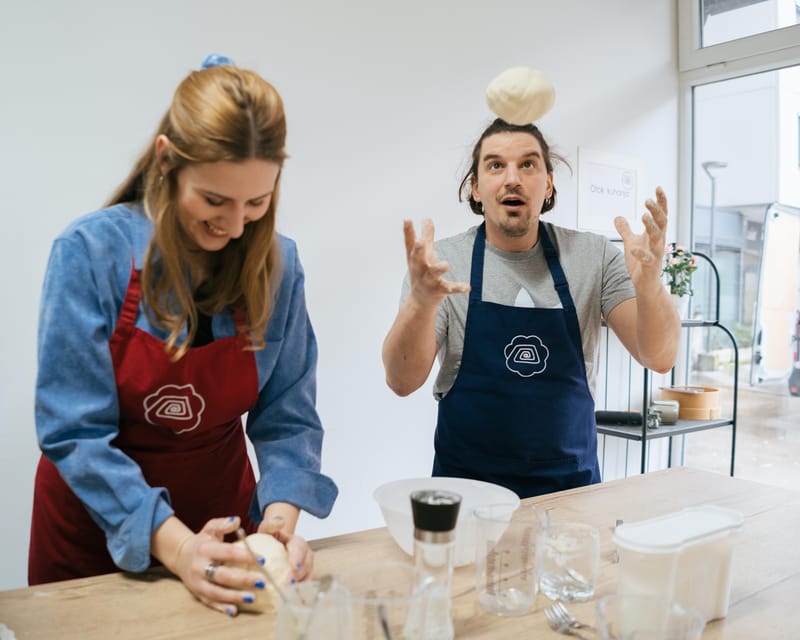
Wear clothing that you do not mind wearing around flour and food. The activity includes kneading, rolling, and shaping, so you should expect to work rather than simply observe.
Arrive early enough to find the entrance. Use the broken concrete fountain as your first clue, then look for the passage near the bus stop or the route by the Chinese restaurant and old church. The big clear window is the final marker.
If you drive in the afternoon, contact Luka through WhatsApp about parking. In the morning, check the platform behind the building for free spaces.
Keep the full two hours available. The dough must prove and rise before baking, and those pauses are part of the format. They allow time for stories, questions, and Slovenian wine, but they also mean the class cannot be rushed.
The experience is wheelchair accessible, which makes the kitchen option available to more visitors. Since the group is capped at 10, it is still wise to check the exact starting time and availability before booking.
Should you book the Belokranjska Pogača class?
Book it if you want a personal, low-pressure way to understand Slovenian food. The class gives you a regional recipe, direct instruction, cultural background, and a meal you helped create. Luka’s warm hosting and strong English add value beyond the bread itself.
I would be especially keen to book this for a family, a birthday surprise, or a solo visit with an interest in food and local culture. The main drawbacks are the slightly tricky meeting point and the fact that part of the two hours involves waiting for dough and yeast.
For $53, the experience offers more than a cooking lesson. You get a taste of Bela Krajina, a conversation about Slovenia, and the satisfaction of tearing into warm bread that you shaped yourself. That is a fine way to spend two hours in Central Slovenia.
FAQ
How long does the Belokranjska Pogača cooking class last?
The class lasts two hours. This includes instruction, preparing the dough, allowing it to rise, baking, and tasting the finished bread.
How much does the class cost?
The listed price is $53 per person.
What languages are available?
The class is offered in English and Slovenian.
Is the cooking class wheelchair accessible?
Yes, the activity is wheelchair accessible.
How many people can join the class?
The class is a small-group activity limited to 10 participants.
What is included in the price?
The price includes the hands-on class, all necessary ingredients, cooking equipment, an introduction to the bread’s cultural importance, and the opportunity to bake and taste your own Belokranjska Pogača.
Can I cancel for a full refund?
Yes. You can cancel up to 24 hours in advance for a full refund.
Can I reserve now and pay later?
Yes. You can reserve your place and pay later, so you do not need to pay at the time of booking.
How do I find the meeting point?
Look for a small square surrounded by buildings with a broken concrete fountain in the middle. You can approach it near the Chinese restaurant and old church, or through a small passageway near the bus stop. The shop has a large clear window. Morning parking is available on the platform behind the building, while afternoon parking help is available by contacting Luka through WhatsApp.
Just added in Ljubljana
- Zagreb to Slovenia: Discover Bled and Ljubljana in a Day★ 4.7 · 2 reviews
- Gokart experience at Woop! karting – the fastest attraction★ 4.0 · 5 reviews
- Woop! Fun park with 21 attractions★ 4.6 · 3 reviews
- 1 Hour Private Woop Challenges in Jurčkova Cesta★ 5.0 · 2 reviews
- Private Zagreb Tour from Ljubljana★ 4.5 · 3 reviews
- Half-Day Small-Group Hiking Tour of Viševnik★ 5.0 · 2 reviews
- Wine and Culinary Adventure in Jeruzalem – Full Day Tour from Ljubljana or Ptuj★ 5.0 · 5 reviews
- Via Ferrata Slovenia★ 5.0 · 2 reviews
Cooking Classes, compared.
Private Mediterranean Fish Cooking Workshop with Irena
Read our review →
Istria – Truffles: Hunting & Cooking & Tasting, Slovenia
Read our review →
Gažon – Istria: Truffles Hunting & Cooking & Tasting
Read our review →
Browse the lists this tour appears in